
-
 Media gallery
-
 Media gallery
-
 Media gallery
-
 Media gallery
-
 Media gallery
-
 Media gallery
-
 Media gallery
-
 Media gallery
-
 Media gallery


Reverse Osmosis System
- Regular price
- Dhs. 1.00
- Regular price
-
- Sale price
- Dhs. 1.00
- Unit price
- per
Couldn't load pickup availability
Description
Description
The “States Series” of reverse osmosis units from US Filter Corporation. This complete Reverse Osmosis water filter will produce an unlimited supply of quality drinking water while removing any chlorine, unpleasant tastes, odors and up to 99% of harmful contaminants to produce clean and refreshing water that everyone will enjoy.This will improve the flavor of coffee, tea, and ice cubes, everything tastes better with RO water.
This “States Series” has been developed specifically for residential use and designed to bring you and your family years of healthful deliciously crystal-clear water. With its faucet installed on your sink, it’s like getting natural fresh water straight from your kitchen tap.
- Provides refreshing crisp taste superior to bottled water.
- High flow 60 GPD production system with super capacity filters.
- The system has been tested and approved by USFC labs and confirms to the minimum requirements set by USFC for pure healthy water.


Have a question?
Notified by email when this product becomes available

Dhs. 1.00

Max Contaminant Removal

Tested & Certified

Nothing Added

Easy Replacements
- Description
- Reverse Osmosis System Manual
- Product Reviews
ePure International
Embrace a Pure Life with ePure Water Filter
"Drink Well, Live Better & Enjoy your health”

Reverse Osmosis Systems
The “States Series” of reverse osmosis units from US Filter Corporation.
This complete Reverse Osmosis water filter will produce an unlimited supply of quality drinking water while removing any chlorine, unpleasant tastes, odors and up to 99% of harmful contaminants to produce clean and refreshing water that everyone will enjoy. This will improve the flavor of coffee, tea, and ice cubes, everything tastes better with RO water.
This “States Series” has been developed specifically for residential use and designed to bring you and your family years of healthful deliciously crystal-clear water. With its faucet installed on your sink, it’s like getting natural fresh water straight from your kitchen tap.
- Provides refreshing crisp taste superior to bottled water.
- High flow 60 GPD production system with super capacity filters.
- The system has been tested and approved by USFC labs and confirms to the minimum requirements set by USFC for pure healthy water.

-
Recommend Changing every 6 to 12 months.

-
Recommend Changing every 6 to 12 months replace with Membrane.

-
Recommend replacing once every 6 months.

-
Recommend replacing once every year.

-
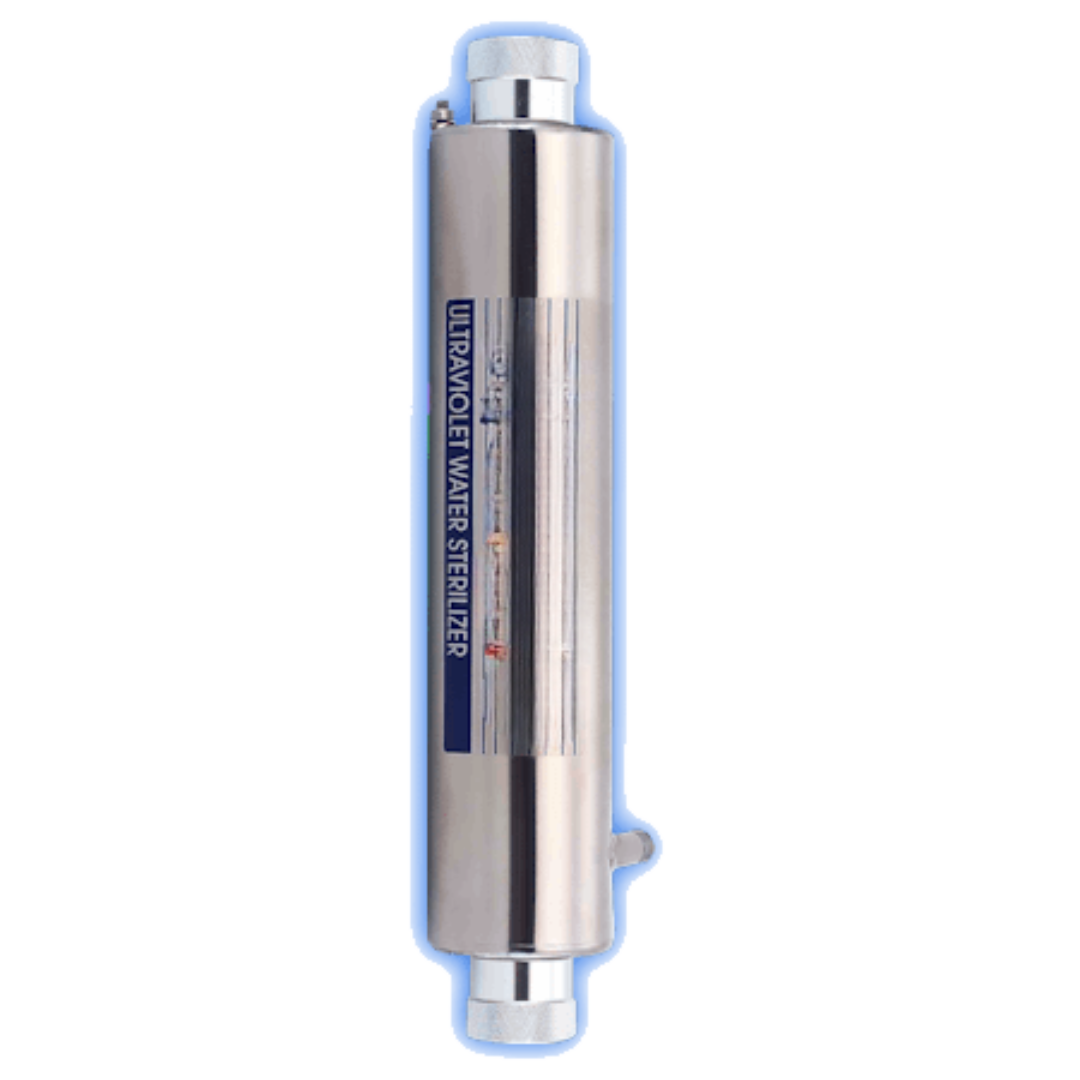
UV systems destroy 99.99% of harmful microorganisms without adding chemicals or changing your water’s taste or odor.

ePure Water Purification
Reverse Osmosis System Manual
What is Reverse Osmosis?
Reverse Osmosis Quick Highlights
- Healthy and Pure Water: RO water is free from impurities.
- Energy Efficient: Many RO systems operate without electricity.
- Automated Filtration: The process is fully automated.
- Cost-Effective: RO is a cheaper, eco-friendly alternative to bottled water.
How Does a Reverse Osmosis System Work?
An RO system typically includes a series of filters and a semi-permeable membrane with tiny pores that trap dissolved solids. When you turn on your tap, water passes through these filters and is then forced at high pressure against the membrane. Only clean water molecules pass through, leaving impurities behind, which are then flushed down the drain.
What Are the Stages of an RO System?
-
Sediment Pre-Filter
Removes dust, sand, rust, and particles down to 5 microns. Protects the rest of the filters. -
Carbon Filter
Removes chlorine, bad taste, and odor. Improves water quality and protects the membrane. -
Carbon Post Filter
Further removes taste, odor, and any remaining chlorine. Ensures clean, fresh flavor. -
pH + Remineralization Filter
Adds healthy minerals, increases pH, and improves water taste. Restores natural mineral balance. -
RO Membrane
Removes up to 99% of dissolved solids, heavy metals, chemicals, bacteria, and contaminants. -
UV Sterilizer
Uses ultraviolet light to kill 99.99% of microorganisms and ensure safe, sterilized water.
Top 5 Advantages of a Whole House Water Filtration System
- Whole Home Protection: Provides comprehensive protection by removing contaminants from water upon entry into the home, safeguarding the entire plumbing system.
- Safer, Better-Tasting Water: Ensures safe drinking water and prevents issues associated with chlorinated water, such as skin irritation and appliance damage.
- Low Maintenance: Whole-house water filter systems are among the lowest-maintenance options, often requiring only one filter change per year.
- Long-Term Savings: Improves water quality, supporting appliance efficiency and preventing plumbing damage, leading to cost savings over time.
- Versatility: Offers various system types tailored to specific needs (e.g., well water treatment, sediment removal) and can be easily integrated with additional water treatment solutions like UV filters and water softeners.
Is a Reverse Osmosis System a Good Investment?
- Advanced Water Treatment: RO systems provide the highest quality water purification, removing over 99.9% of total dissolved solids.
- Cost Savings: While the initial cost is higher than basic filtration systems, the long-term savings from not buying bottled water are significant.
- Ease of Maintenance: The automated process requires minimal upkeep, with only periodic filter replacements needed.
- Safety: RO systems can remove bacteria, ensuring safe drinking water even if your supply becomes compromised.
When Isn’t Reverse Osmosis the Right Investment?
- Despite its benefits, an RO system may not be suitable for everyone:
- Tolerance for Certain Contaminants: If you only need to remove chlorine and lead, a basic water filter might suffice.
- Budget Constraints: If the upfront cost is prohibitive, consider more affordable options like water pitcher filters.
- Maintenance Preferences: If you prefer a low-maintenance option, look into tank-based filtration systems with long-lasting media.
Where are Reverse Osmosis Systems Installed?
-
Under the Kitchen Sink
- Common Choice: These systems connect to your cold water supply, providing high-quality drinking water. They can also be linked to your refrigerator or icemaker.
- Tank-based vs. Tankless: Tank-based systems store purified water for on-demand use, while tankless systems purify water as needed, requiring a bit more patience.
-
On the Countertop
- Freestanding Units: These systems produce batches of purified water and require minimal installation. They use electricity to power the filtration process and need to be manually refilled.3.
- Freestanding Units: These systems produce batches of purified water and require minimal installation. They use electricity to power the filtration process and need to be manually refilled.3.
-
At the Water’s Point of Entry
- Whole-Home Systems: Installed at the main waterline, these systems filter all the water entering your home. They offer comprehensive filtration but tend to waste more water compared to point-of-use systems.
- Whole-Home Systems: Installed at the main waterline, these systems filter all the water entering your home. They offer comprehensive filtration but tend to waste more water compared to point-of-use systems.
What Affects the Performance of an RO System?
What Does Reverse Osmosis Remove?
- Chemicals and Metals: Sodium, copper, chloride, chromium, arsenic, lead, fluoride, magnesium, potassium, sulfate, nitrate, radium, calcium, phosphorus, PFAs.
- Protozoa: Cryptosporidium, Giardia.
- Bacteria: Salmonella, Campylobacter, E. coli, Shigella.
- Viruses: Hepatitis A, Enteric, Norovirus, Rotavirus.
- Pharmaceuticals: Bisphenol-A, caffeine, antibiotics, opiates, and other contaminants.
- It’s easier to list what RO doesn’t remove: some pesticides, volatile organic chemicals (VOCs), and solvents.
|
Contaminant |
Removal Rate |
|
Chlorine |
98% |
|
Lead |
98% |
|
Fluoride |
Up to 92% |
|
Nitrates |
Up to 75% |
|
Arsenic |
Up to 96% |
|
Mercury |
Up to 98% |
|
Sulfate |
Up to 98% |
|
Nickel |
Up to 98% |
|
Pesticides |
Up to 99% |
RO Water vs. Bottled Water
Do Reverse Osmosis Systems Remove Minerals from Water?
How to Add Minerals to Reverse Osmosis Water?
Reintroducing minerals into RO water and improving its quality is straightforward:
- Remineralizing Filters: If your RO system includes an alkaline remineralization filter, simply replace the filter cartridge as recommended (usually every 6 to 12 months). These filters add minerals to the water before it leaves your tap. Alternatively, you can use a separate alkaline water filter.
Benefits of Reverse Osmosis Systems
- Improved Water Taste: RO systems remove contaminants like chlorine, lead, and sulfur, greatly enhancing the taste of tap water. This eliminates the need to buy bottled water.
- Long-term Savings: Although RO systems have a higher upfront cost, they save money in the long run by providing high-quality water without the need for bottled water.
- Healthier, Cleaner Tap Water: RO systems remove a range of unhealthy contaminants, including chlorine, bacteria, and heavy metals, ensuring your drinking water is much healthier and cleaner.
- More Effective than Other Water Systems: RO systems are highly effective at purifying water compared to other filtration methods.
Are All Reverse Osmosis Filtration Systems the Same?
- List Your Priorities: Identify the features you need in a filtration system, such as efficiency or space-saving designs.
- Read Reviews: Check both customer reviews and in-depth impartial reviews online to understand the features and performance of different RO systems.
How Long Do Reverse Osmosis Systems Last?
- Changing the Filters: Follow the user manual and replace filters as recommended. Use high-quality, branded replacements.
- Sanitizing the System: Sanitize the system when changing filters using a commercial RO membrane sanitizer.
- Replacing Parts: Over time, replace worn-out parts like o-rings, faucets, or storage tanks to keep the system in working order.
Drink with Confidence

Peace of Mind
Get clean, healthy water by reducing 78 contaminants including chlorine, lead, pesticides, PFOA/PFOS, microplastics, and more.

Zero Chemical
Give your family the comfort of clean, pure water. Our advanced filtration systems remove chlorine, sediments, and harmful impurities, keeping every shower, bath, and wash gentle on your skin and hair. Enjoy softer water, better hydration, and a safer, fresher experience in every drop.

Ultra-Delicious
Transform your daily hydration with cleaner, safer water. Enjoy improved digestion, better hydration, enhanced flavor in food and drinks, and greater peace of mind with every sip. Pure water equals better living and it starts right here.

Water You Can Trust
WQA tested and certified to NSF/ANSI Standards 42, 53 (includes P473), and 401.

Eco-Friendly
Minimal disposal plastic and no more single-use plastic water bottles. Make a difference with this sustainable, eco-friendly solution.

Your Culinary Secret
Filtered water produces more natural flavors for amazing results in the kitchen. Leave your friends wondering about your best kept secret.
Frequently Asked Questions
Reverse osmosis water is water that has been treated in an RO system, making it virtually pure and free from chemicals, metals, bacteria, and other contaminants.
You can usually purchase replacement RO membranes directly from the manufacturer’s website This ensures compatibility with your specific RO water system, as they will likely be the same membrane product you currently use123.
While the membrane in an RO system can effectively remove hardness ions, it is not considered a water softener. A water softener specifically treats hard water issues by exchanging hardness minerals with sodium ions. High concentrations of water hardness can deteriorate the RO membrane faster. Therefore, if you have particularly hard water, many manufacturers recommend installing a water softener before your RO system. This protects the filtration process and extends the lifespan of each filter cartridge and membrane456.
Reverse osmosis is highly effective at removing chlorine, but it also removes a wide range of other contaminants. If your primary concern is chlorine removal, you might consider a more affordable filtration option that specifically targets chlorine7.
- Reverse Osmosis (RO): Produces purified water by removing a wide range of contaminants, including dissolved solids, chemicals, and microorganisms.
- Water Softening: Specifically removes hardness minerals (calcium and magnesium) through ion exchange, making water softer.
These two systems serve different purposes and are not interchangeable. If your water is very hard, you may need both a water softener and an RO filter to achieve the best results.

This system comes with a 1-Year Limited Warranty and a 90-Day Satisfaction Guarantee so you can be confident in your purchase.

WQA tested and certified to NSF/ANSI Standards 42, 53, and 401 for the claims specified on the performance date sheet.